Multimedia sebagai Seni Digital: Mengapa Perannya Sangat Vital?
Multimedia sebagai Seni Digital: Mengapa Perannya Sangat Vital?
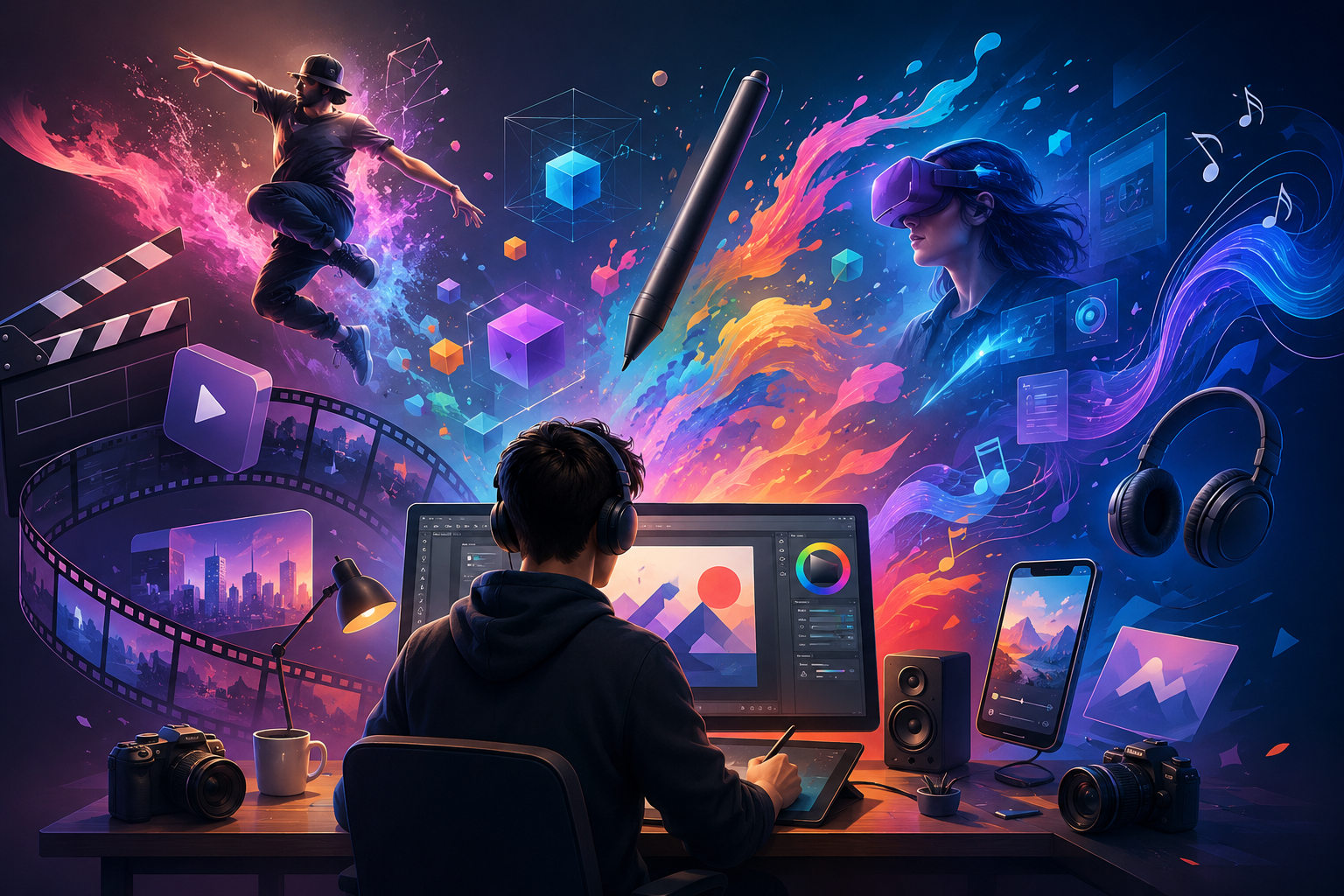
Banyak orang yang masih mempertanyakan, apakah multimedia termasuk ke dalam kategori seni di dunia digital? Jawabannya jelas: ya. Multimedia bukan sekadar gabungan teks, gambar, dan video, melainkan sebuah bentuk seni kompleks yang mampu menyampaikan pesan secara jauh lebih emosional dan efektif dibandingkan media statis lainnya. Di era digital saat ini, multimedia telah menjadi bahasa universal yang menjembatani interaksi manusia dengan teknologi.
Manfaat utama dari multimedia adalah kemampuannya untuk menciptakan pengalaman yang mendalam bagi audiens. Jika kita berbicara tentang kenyamanan, sebuah platform digital yang memanfaatkan elemen multimedia dengan baik akan memberikan navigasi yang jauh lebih responsif. Sebagai contoh, Anda bisa melihat referensi di platform slot online terbaru. Mereka mengintegrasikan elemen visual dan interaktif sedemikian rupa sehingga pengguna merasa betah dan nyaman saat mengeksplorasi layanan di dalamnya. Ini adalah bukti nyata bahwa seni multimedia dapat meningkatkan kualitas interaksi digital.
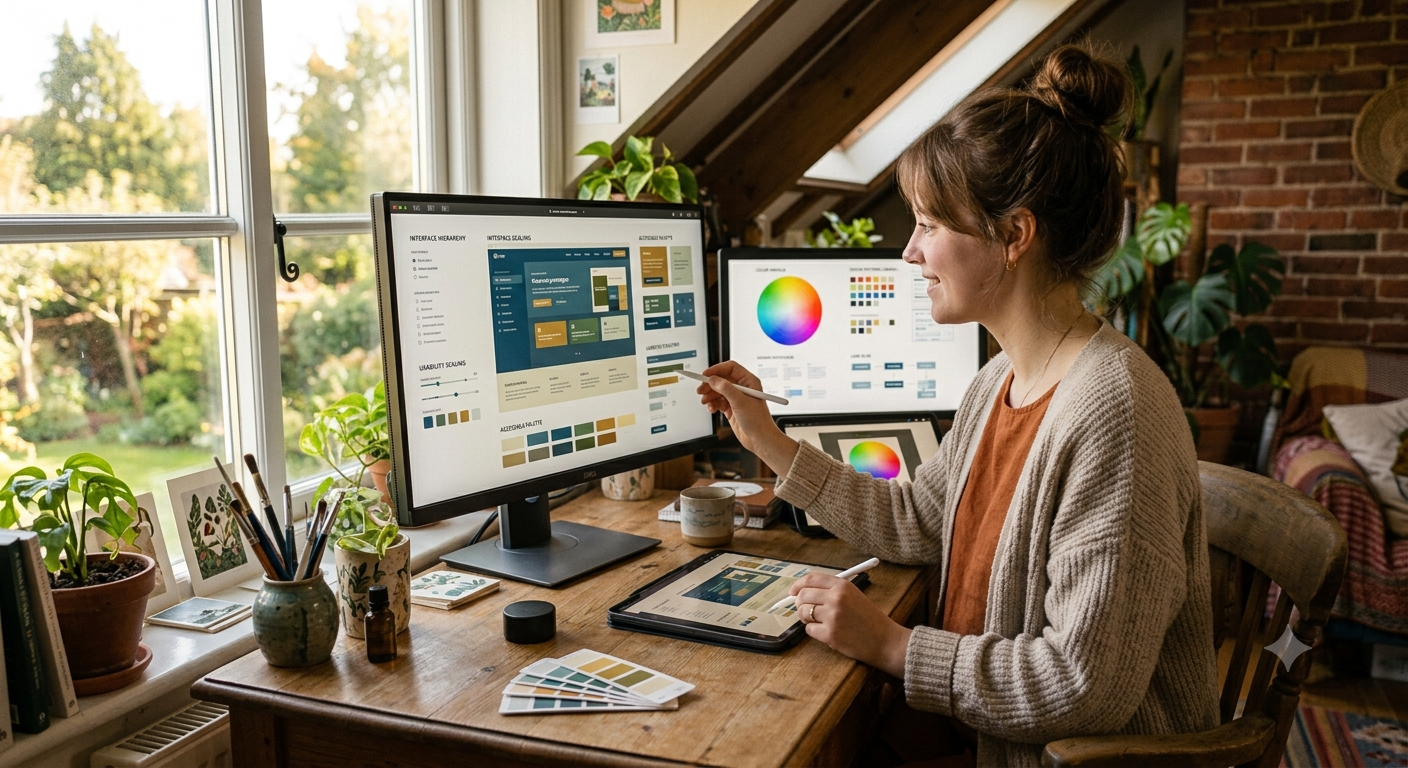
Selain itu, efektivitas komunikasi dalam platform modern sangat bergantung pada bagaimana elemen multimedia disusun. Sebuah desain yang rapi, ditambah dengan elemen interaktif yang intuitif, akan memudahkan pengguna dalam memahami alur layanan. Bagi kamu yang sedang mempelajari pengembangan antarmuka yang efisien, ada baiknya meninjau situs slot online terbaik. Mereka menerapkan prinsip seni multimedia untuk menciptakan alur yang tidak membosankan dan sangat mudah dipahami bahkan oleh pengguna awam sekalipun.
Kesimpulannya, multimedia adalah bentuk seni digital yang membawa banyak manfaat bagi perkembangan dunia maya. Ia membuat informasi menjadi lebih mudah dicerna, memberikan pengalaman hiburan yang lebih nyata, dan membangun kepercayaan antara penyedia layanan dengan penggunanya. Jangan pernah meremehkan kekuatan visual dan audio, karena kombinasi keduanya adalah kunci utama dalam menciptakan platform yang relevan dengan kebutuhan zaman.